A few years ago, one of our guests booked her Kenya trip at 22 weeks pregnant. She emailed us three times before departure, worried about everything from malaria pills to the road into camp. She had a wonderful trip. Her son is now three and she still sends us photos of him in a tiny safari hat.
So here’s the pregnant safari Kenya is it safe question, answered plainly. For most healthy pregnancies, yes, with the right timing, the right camps, and a doctor’s sign-off. Here is what that actually looks like, with Kenya specifics that most general safari advice skips.
Pregnant Safari Kenya Is It Safe to Go While Expecting?
For a low-risk, uncomplicated pregnancy, a Kenya safari between 14 and 27 weeks is generally considered safe by most obstetricians. The real risks are not lions or elephants. They are malaria exposure, long bumpy drives, limited medical care in remote areas, and flight restrictions that tighten as your due date gets closer.
None of these are reasons to cancel. They are reasons to plan differently than you would at 25 and not pregnant. Talk to your doctor first, and treat their answer as final, not ours.
The Best Trimester to Travel
The second trimester, roughly weeks 14 to 27, is the safest window. Morning sickness has usually eased, energy is higher, and the miscarriage risk that concerns many doctors in the first trimester has dropped sharply.
Most Kenyan lodges and camps will accept pregnant guests through the second trimester without issue. Third trimester travel is possible for some women, but it needs a clear doctor’s letter and a realistic look at how far you’ll be from a hospital.
Malaria Risk and Pregnancy-Safe Options
Malaria in pregnancy is more dangerous than malaria otherwise, so this is the biggest medical question to settle before booking. The Maasai Mara, Amboseli, and Samburu all carry real malaria risk, especially after rains.
Chloroquine and some other antimalarials are considered safe in pregnancy, but mefloquine and doxycycline carry restrictions depending on trimester. This is a conversation for your doctor or a travel medicine clinic, not a blog post. Bring a permethrin-treated net for camps that do not already have one over the bed, and pack a strong DEET-free repellent rated safe for pregnancy.
If malaria risk feels like too much, Kenya has real malaria-free options at altitude. Lake Nakuru National Park sits at about 1,754 meters and the Aberdare highlands climb past 2,000 meters, both cool enough to suppress the mosquito that carries malaria. Ol Pejeta Conservancy near Nanyuki, at roughly 1,800 meters, is also considered low risk most of the year.
Bumpy Roads and Vehicle Vibration
This is the question we get asked most, and forums rarely answer it well. Kenya’s safari roads range from smooth gravel to deeply rutted black cotton soil that turns to a washboard after rain, especially in the Maasai Mara.
There is no medical evidence that normal game-drive jolting causes placental abruption in a healthy pregnancy. The real issue is comfort and fatigue over a long day. We recommend shorter morning drives, a cushion for the seat, and camps close to the main gate rather than deep in the reserve.
If you want the full picture on road conditions before you decide, our guide to how safe Kenya’s safari roads really are breaks down which routes are roughest and which stay graded year round.
Flying Restrictions: Bush Planes vs. Commercial Flights
This trips up more pregnant travelers than malaria does. International carriers like Kenya Airways and KLM generally allow travel up to 36 weeks with a doctor’s letter after 28 weeks, in line with most global airline policy.
Domestic bush carriers are stricter. Safarilink and AirKenya, the two airlines that fly most safari routes, typically require a doctor’s letter from 28 weeks and often will not board pregnant passengers past 34 to 36 weeks. These figures shift by airline and season, so confirm the exact cutoff directly with the carrier before you book, since we’ve seen it enforced inconsistently at smaller airstrips.
If you are past that window, driving is still an option for parks reachable by road in a day, like Ol Pejeta or Lake Nakuru from Nairobi.
Choosing the Right Parks and Camps
Not all Kenya safari destinations carry the same trade-offs for a pregnant traveler. Here is how five popular options compare.
| Destination | Distance from Nairobi | Drive time | Road condition | Malaria risk | Park fee (non-resident adult, indicative) |
|---|---|---|---|---|---|
| Maasai Mara National Reserve | 270 km | 5 to 6 hours by road, 45 min by air | Rough, black cotton soil, worst after rains | Higher | USD 100/day |
| Ol Pejeta Conservancy | 200 km | 3.5 hours by road | Mostly graded, all-weather | Low, altitude helps | USD 90/day |
| Lake Nakuru National Park | 160 km | 2.5 to 3 hours by road | Good tarmac and gravel | Malaria-free zone | USD 60/day |
| Aberdare National Park | 165 km | 3 hours by road | Steep but well maintained | Low, high altitude | USD 65/day |
| Lewa Wildlife Conservancy | 245 km | 4.5 hours by road, 40 min by air | Graded, smooth for a private conservancy | Low to moderate | USD 100/day |
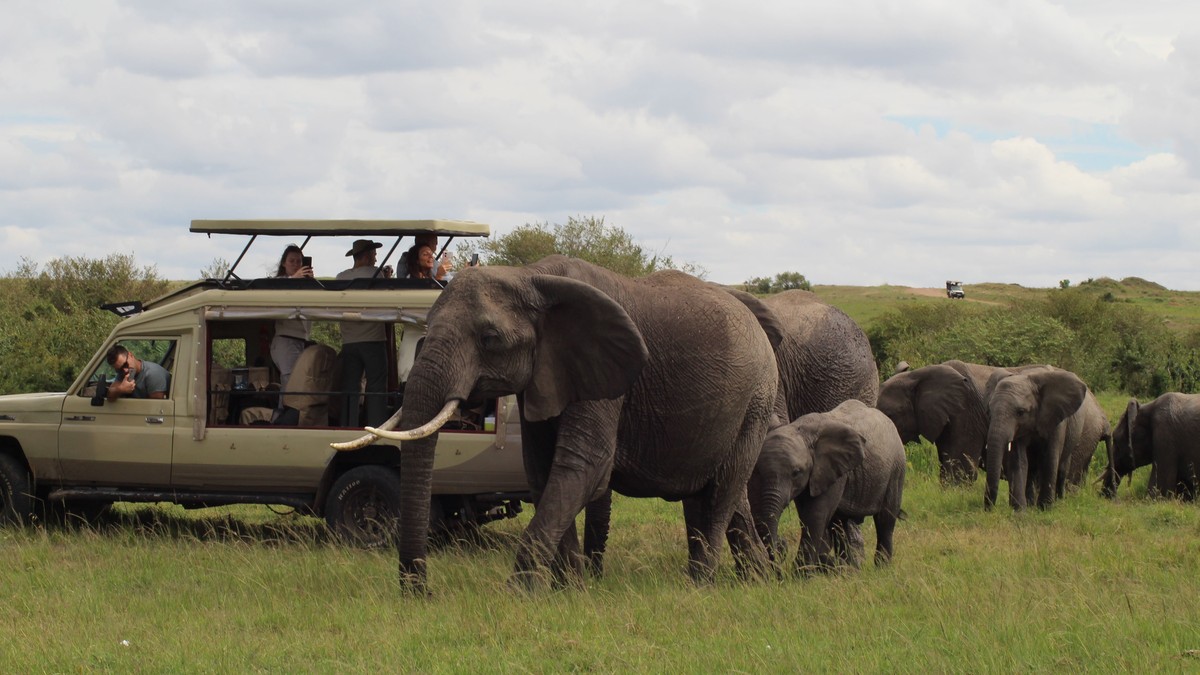
The trade-off is honest: the Mara’s rough roads come with the highest wildlife density in Kenya, while Laikipia’s smoother conservancies like Ol Pejeta and Lewa trade a bit of drama for comfort and lower malaria exposure. For a pregnant traveler prioritizing an easier ride, Laikipia often wins.
Activities to Modify or Skip
Game drives in an open vehicle are fine at a gentle pace. A few activities need a second look.
Walking safaris put you closer to wildlife on foot, which most guides and insurers discourage in pregnancy. Hot air balloon safaris involve a hard landing that can jolt the body more than a vehicle ride, so many operators set their own restrictions. Night drives in remote conservancies add distance from medical help if anything feels wrong, so we suggest keeping evenings closer to camp.
None of this means a quiet, guided sundowner or a short nature walk near the lodge is off limits. It is about picking calmer versions of the same experiences.
Medical Checks, Doctor’s Letters, and Insurance
Book a full prenatal check within two weeks of departure, and ask your doctor for a signed letter stating your due date and fitness to fly. Airlines and some lodges will ask for it, particularly after 28 weeks.
Standard travel insurance often excludes pregnancy complications. Look for a policy that explicitly covers pregnancy-related medical evacuation, since a serious issue at a remote camp may require an AMREF Flying Doctors evacuation to Nairobi Hospital or The Nairobi Women’s Hospital, both used for medevac cases from the bush.
What to Pack for a Pregnancy Safari
Pack light layers for temperature swings between dawn drives and midday heat. Add a firm travel pillow for long drives, compression socks for swelling on flights, your prenatal vitamins in carry-on, and printed copies of your medical records and doctor’s letter.
A refillable water bottle matters more than usual, since staying hydrated helps with the fatigue that pregnancy and altitude both bring.
Food and Water Safety
Most established camps and lodges serve bottled or filtered water and cook meats thoroughly, which lowers listeria and toxoplasmosis risk. Skip unpasteurized dairy, undercooked meat, and raw shellfish, the same precautions you would take at home. Ask your camp host directly if you are unsure how something was prepared. They will not mind the question.
When Not to Go: Third-Trimester Red Flags
If you have a history of preterm labor, preeclampsia, placenta previa, or a multiple pregnancy, talk to your specialist before booking anything. Past 36 weeks, most airlines and many lodges will decline pregnant guests outright, and the distance from advanced medical care becomes a real factor, not just a formality.
If your due date falls close to your travel dates, it is worth waiting. Kenya will still be there next year, and so will its parks and conservancies.
The Valley Safaris Difference
We have planned safaris for pregnant travelers at every stage of a low-risk pregnancy, and we do not treat it as a checkbox. When you book with us, we match you to camps with graded access roads, confirm current airline gestational cutoffs before you fly, and flag the nearest hospital to every property on your itinerary.
We also plan ahead for what comes next. Many of our guests come back once the baby arrives, and our guide to planning a safari with a baby after you give birth covers that transition. If toddlers are already part of the picture, our breakdown of Kenya’s safari age rules for toddlers is worth a read too.
Ready to Plan Your Trip?
A pregnant safari in Kenya can be calm, comfortable, and genuinely memorable with the right planning behind it. Talk to your doctor first, then let us handle the rest. Explore our family safari packages or reach out through our contact page and we will help you build an itinerary that fits exactly where you are, week by week.